

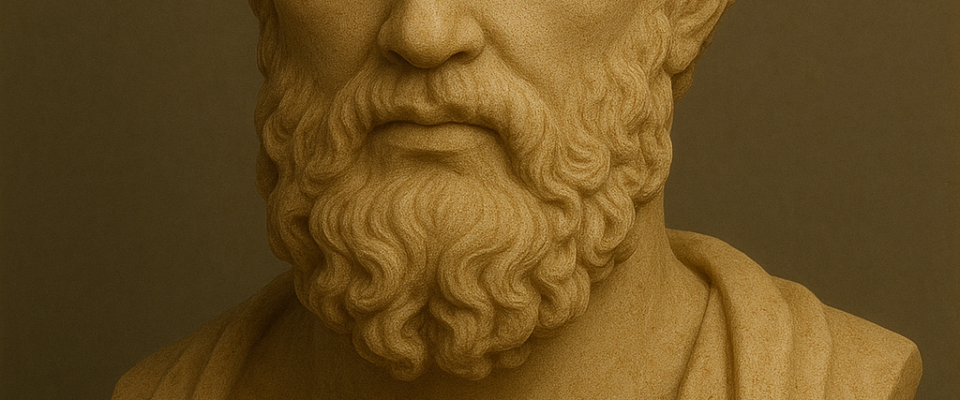
INTRODUCTION
In Greek mythology, Chiron is a centaur—half human, half horse—but entirely different from his kind. While other centaurs were wild and impulsive, Chiron was renowned for his wisdom, kindness, and mastery of healing arts, earning him the title “Teacher of Physicians.”
He was the son of the god Cronus and the sea nymph Philyra, and was raised by Apollo and Artemis, who taught him science, music, astronomy, herbal medicine, and the art of healing.
ROLE IN MEDICINE AND EDUCATION
Chiron is regarded as the first great teacher of Greek medicine.
He trained many legendary heroes and healers, including:
-
Asclepius – the supreme god of medicine
-
Achilles – the hero of Troy
-
Jason – leader of the Argonauts
-
Hercules – symbol of strength and courage
For Asclepius, Chiron imparted not only medical knowledge but also compassion, respect for life, and the ethical values of a healer—principles that form the foundation of medical ethics today.
TRAGEDY AND IMMORTALITY
According to legend, Chiron was accidentally struck by a poisoned arrow shot by Hercules.
Although immortal, he suffered an incurable and agonizing wound.
Out of compassion, he voluntarily surrendered his immortality to free Prometheus, who had been punished by Zeus.
Moved by Chiron’s selflessness, Zeus placed him among the stars as the constellation Sagittarius, a symbol of wisdom and benevolence.
SYMBOLIC MEANING
In medical culture, Chiron represents the ideal physician: knowledgeable, compassionate, and self-sacrificing.
He is the spiritual ancestor of the Asclepian tradition and a metaphor for the union of knowledge and humanity—two inseparable pillars of the healing profession.
CONCLUSION
Chiron is more than a mythological figure; he is an enduring symbol of wisdom, ethics, and the healing spirit.
From the ancient slopes of Mount Pelion, where he taught Greek heroes, to the present day, his image lives on as a reminder of the devoted healer—one who uses knowledge in service of life.